What is a Short Circuit?
A short circuit is a significant electrical anomaly and much more than just an inconvenience; it's an emergency for any electrical system. Let's break down what it means and the potential consequences it holds.
A short circuit occurs when electricity strays from its intended path, flowing through a shorter, unintended path with little to no resistance. Instead of flowing through the entire circuit to power devices or reaching the intended destination, the electricity takes a direct path through a shortcut, leading to excessive current flow. With this flood of electricity comes a lot of energy.
The excessive electrical energy cannot be absorbed by the conductive path but must be dissipated, and this occurs as heat. Most conductive materials can only withstand certain levels of heat before they begin to degrade or melt (e.g., insulation burning off, solder melting). Sensitive components not designed to handle such high electrical currents, can be quickly damaged or destroyed due to the excessive thermal stress.
What Can Cause a Short Circuit?Understanding the common causes of short circuits can help prevent them. Here are a few primary reasons short circuits happen:
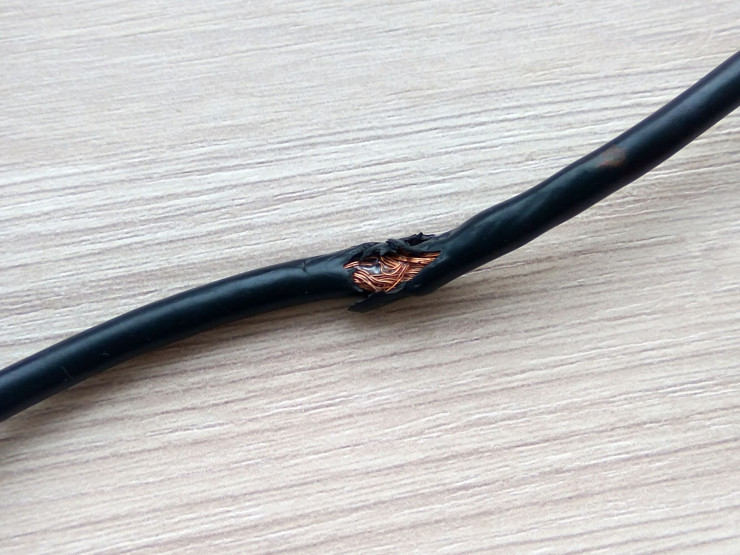
Faulty InsulationInsulation prevents conductive materials, mainly wires, from touching each other and keeps the electrical current following the intended circuit. However, over time, insulation can degrade due to heat, aging, rodent damage, or overloading, leading to exposed wires that can touch and create a short circuit.
Faulty Connections in Electrical WiresConnections that aren't installed correctly can loosen over time. This is not just about the wires themselves but includes all parts of the electric circuit, like terminals and junction boxes. Loose connections can cause arcing – powerful electric sparks that can easily turn into a short.
Physical DamageWhether it's due to improper installation during construction work, accidental piercing, or everyday wear and tear, physical damage is a common culprit. This includes cut, frayed, or chewed wiring that can cause wire conductors to make an unwelcome contact.
Age and CorrosionOver time, components in a circuit age. The corrosion of wires and terminals due to environmental factors like humidity can compromise protection and lead to the unintended flow of electricity.
Water DamageWater is a good conductor of electricity. If water comes into direct contact with electrical equipment, it can create a path that leads to an electrical short. This is especially risky in areas with high moisture levels or if a liquid is spilled on electrical devices.
Component FailureElectrical components including switches, outlets, and appliances can fail due to design flaws, manufacturing defects, or damage. When they break down, they might create direct paths for current to flow along unintended routes, causing a short.
Incorrect WiringDuring installation, if wires are connected incorrectly, this can lead to an accidental short. Incorrect wiring involving the neutral wire can cause a short circuit, where a hot wire comes into contact with a neutral wire, leading to an overflow of electricity and causing electrical appliances to turn off. Wiring requires adherence to specific codes and standards, and any deviation can have potentially dangerous consequences.
Overloaded CircuitsOverloaded circuits are another common cause of short circuits. When too many electrical devices are connected to a single circuit, it can become overloaded, causing the electrical current to flow through an unintended path. To prevent overloaded circuits, it’s essential to ensure that the electrical system is designed to handle the maximum amount of electricity required by the devices connected to it. Distributing electrical loads and adding more circuits if necessary can help mitigate this risk.
Preventive maintenance, regular inspections, and adherence to electrical safety standards can reduce the risk of short circuits. By understanding these triggers, homeowners and technicians can take appropriate safety measures to protect their homes and electrical devices from the dangers of short-circuiting.
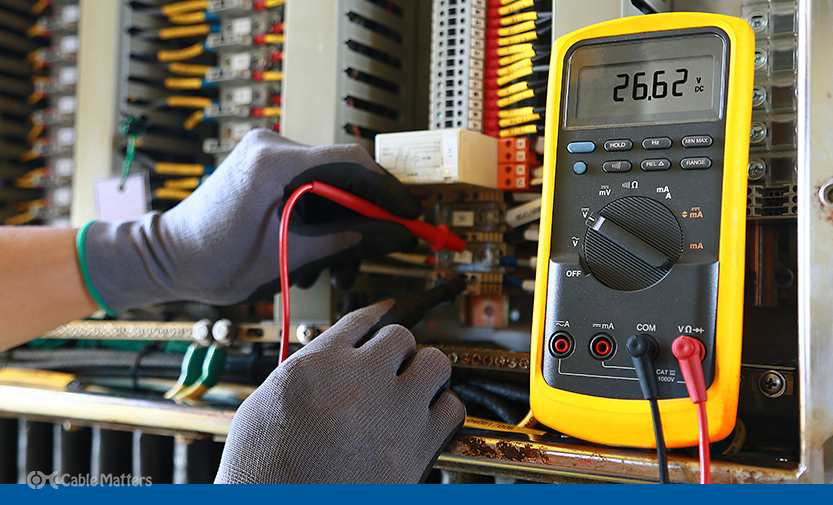
There are several signs that may indicate a short circuit:
-
Fuses blowing repeatedly
-
Circuit breaker tripping frequently
-
Electrical devices malfunctioning or not working at all
-
Burning smells or sparks coming from electrical outlets or devices
-
Visible signs of damage or wear on electrical wires or devices
If you notice any of these signs, it’s essential to turn off the power to the affected circuit and contact a licensed electrician to diagnose and repair the issue. Prompt action can prevent further damage and ensure the safety of your electrical system.
Dangers of Short CircuitsShort circuits can be extremely dangerous, posing a risk of electrical shock, fires, and damage to electrical equipment. When short circuits occur, they can cause a significant amount of electricity to flow through the circuit, leading to overheating and potentially causing a fire. Additionally, short circuits can also cause electrical shock, which can be fatal. It’s essential to take short circuits seriously and address them promptly to prevent accidents and ensure electrical safety. Regular inspections and maintenance, along with the use of quality components, can help mitigate these risks and protect your home and loved ones.
How to Prevent a Short CircuitEnsuring electrical safety and preventing short circuits necessitates a proactive approach that involves proper wiring, installation, regular maintenance, and the use of quality components. Electrical systems must be designed, installed, and wired correctly by professionals, taking care to follow color codes for wires, ensure proper insulation, and avoid unnecessary splicing. Protective devices such as circuit breakers and fuses play a crucial role in preventing electrical short circuits by cutting off the electrical supply when currents exceed safe limits.
Regular inspections of the electrical system are crucial for identifying issues like frayed wires, overheating, or damaged wiring or insulation. Testing circuit breakers periodically to confirm their functionality and being attentive to warning signs such as flickering lights or unusual sounds from electrical panels are also important.
The use of high-quality electrical components is key to reducing the risk of short circuits. These components offer greater durability and compliance with safety standards, reducing the likelihood of failure and the ability to withstand environmental challenges like humidity and temperature changes, which is vital.
In environments where moisture is present, such as kitchens, bathrooms, and outdoors, the hazards of liquid-induced short circuits increase. In these areas, the use of Ground Fault Circuit Interrupter (GFCI) outlets is critical. GFCI outlets quickly cut off electricity if they detect a difference in the current flowing into and out of the circuit, which can occur when electrical devices come into contact with water. This protection mechanism is essential in preventing electric shocks and short circuits caused by liquid exposure.
By integrating these preventative measures, including the strategic placement of GFCI outlets, into the design, installation, and ongoing care of electrical systems, we can significantly mitigate the risk of an electrical short. Such vigilance not only enhances the performance and longevity of the system but also safeguards against potential property damage, and financial losses, and enhances the safety of individuals.
Short Circuit